Architecture is a broad and demanding field. Every project brings new challenges, that require us to listen carefully, ask the right questions, and develop the specific knowledge each brief demands. Nowhere is that more important than in care home design, where design decisions shape wellbeing, dignity, and the everyday experience of residents, staff, and visitors.
Our current project has brought into focus just how wide an architect’s thinking must be when designing specialist care environments. As we develop a home for people living with dementia and learning disabilities, it has reinforced the importance of being curious, attentive, and willing to deepen our understanding when it matters most.
Designing for lived experience
In caring architecture, everything begins with people. How does someone live day to day? How do they move through the space? What support do they need, and how might it change over time? How do the staff operate? What can cause distress, and what brings calm? How do light, sound, texture, colour, and layout affect wellbeing?
This focus on lived experience is central to dementia-friendly design and the creation of environments that support both independence and care. It sits alongside the practical realities of compliance, affordability, and operation. Taking the time to explore and define the brief from the outset is essential to creating designs that are not only deliverable, but genuinely supportive for everyone who uses them.
Why the brief matters in care home design
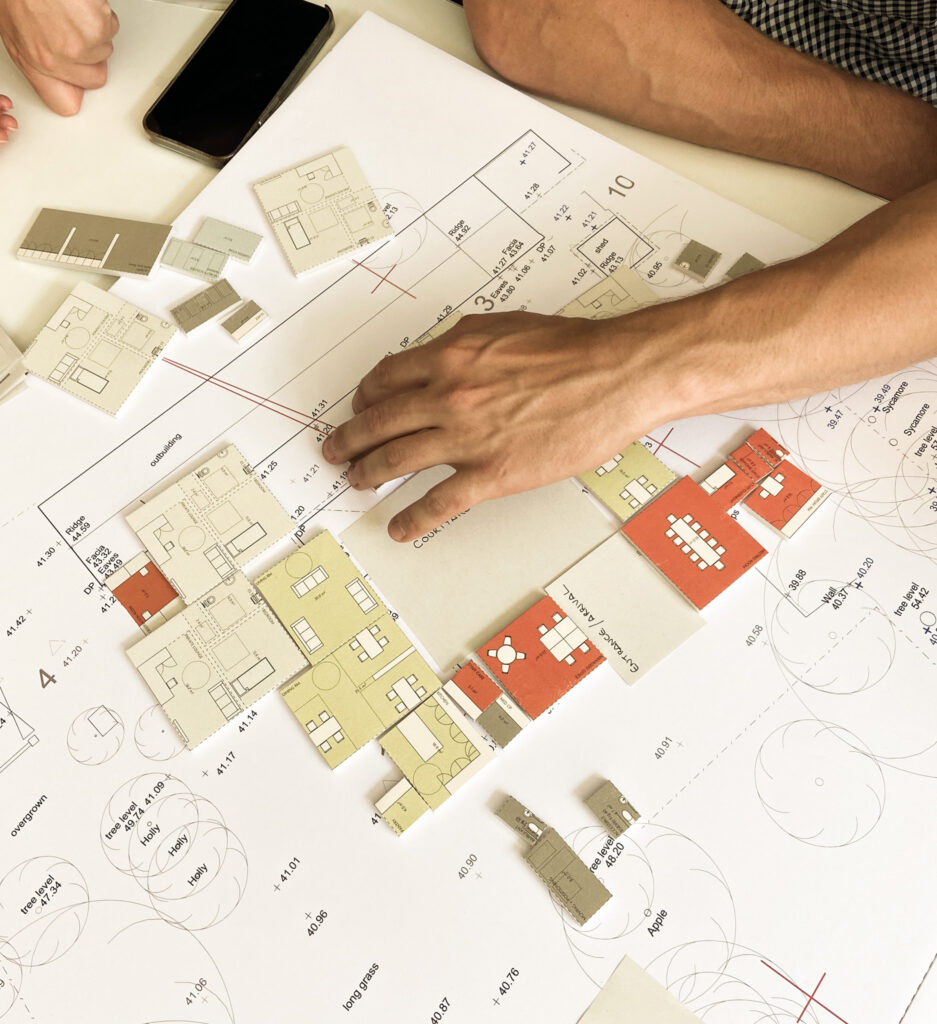
That early-stage thinking is where architecture can add real value. Before design begins in earnest, it is important to test assumptions, ask difficult questions, and clarify priorities. A well-developed brief creates a shared understanding between client and consultant, one that balances aspiration with practical realities and can guide decisions throughout the life of the project.
In care home design, this clarity is particularly important. The complexity of operational needs, regulatory requirements and resident wellbeing means that early decisions have long-last impact. A strong brief doesn’t limit creativity, it enables it, providing a clear framework for better, more confident design decisions
Learning from real care environments
For this specialist care project, we have spent time visiting existing settings, speaking with operators, carers, and residents, and learning from specialist consultants. We have explored different operational and financial models, building a deeper understanding of how these environments function day to day.
This work is considered, practical, and often time-consuming, but it is essential. It allows us to make informed design decisions and deliver care environments that respond to real needs, not assumptions
Creating supportive and adaptable homes
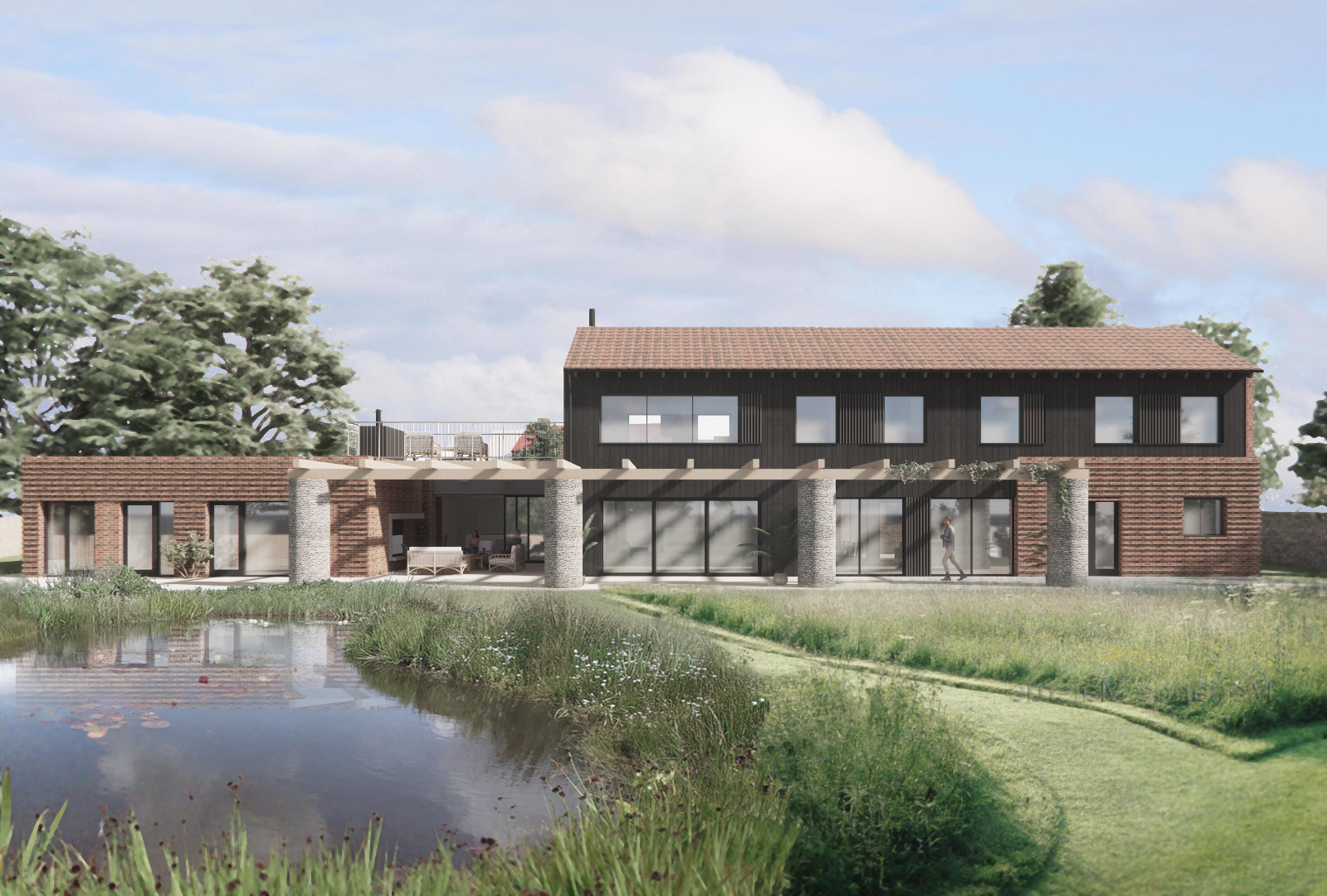
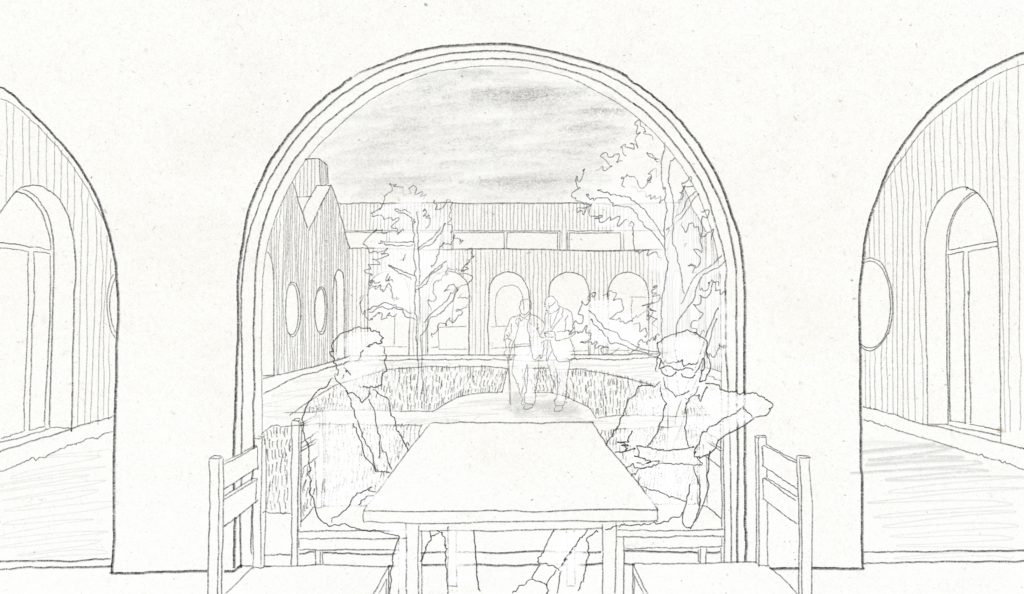
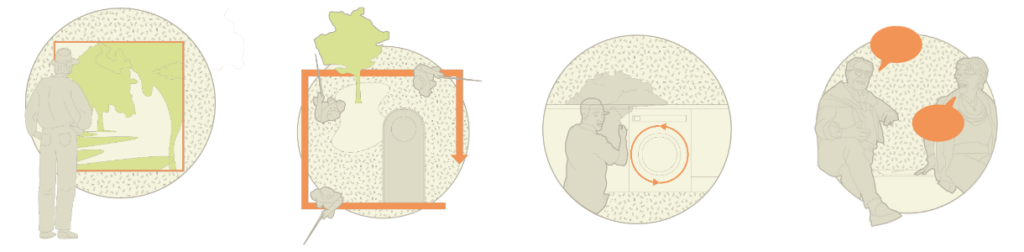
At the heart of this project will be eight small, adaptable homes, each tailored to the needs of the people who will live there, people who will age and whose needs will evolve over time. The homes are arranged around a shared sensory courtyard, connecting living spaces to nature and helping residents navigate their surroundings more independently.
There principles are key to dementia-friendly design, supporting orientation, reducing anxiety and encouraging a sense of familiarity. Living spaces, laundries, and pantries are domestic in scale, supporting everyday skills and engagement in daily life, while staff areas are designed to enable efficient, compassionate care.
A foundation for better outcomes
As a RIBA Client Adviser, our Director Louise, has seen how often projects falter when early thinking is rushed or key questions remain unasked. A good brief does not restrict design; it gives it clarity and direction. It sets intent, establishes priorities, and creates a shared vision that can be tested and refined as the project evolves.
In specialist care environments, that shared understanding is critical. These buildings have a direct impact on health, wellbeing, and quality of life, while also carrying significant operational and commercial responsibility. Good architecture in these environments is not defined by form alone, but by the depth of thought and understanding that precedes it.
For us, caring architecture begins with listening, learning, and working with clients closely to define what success looks like from the very beginning. When that understanding is clear, the design can respond with confidence and care, creating places that truly support the people who live and work within them.