When it comes to getting work in the public sector the UK inflicts smaller enterprises with a severe disadvantage in comparison with the juggernauts of big business. Not only is this unfair, it also undermines the country’s economic health as small businesses are the source of our future wealth and often cutting edge. On top of this public procurement is hideously expensive, inefficient and doesn’t deliver the goods – as we have just witnessed with the West coast line franchise debacle. The architecture and construction industries suffer equally from this affliction. The importance of the construction economy has been much in the news: it constitutes 10% of the UK’s economy and its health impacts on the wider economy. One might expect that because 40% of construction is in the public sector it would be closely scrutinised to deliver value for taxpayers – even more so considering its impact on our daily lives such as school and hospitals. Yet while one would hope that we are getting the best this is not the case, as a recent report by the Royal Institute of British Architect (RIBA) has shown. In the UK procurement of buildings is 20% more expensive than our European neighbours because of the way we interpret the official processes, and it takes 50% longer. Projects tend to be ‘bundled up’ into larger lots and there are ridiculous qualifying requirements stipulating turnovers or insurance levels that only large businesses can carry. This is all mistakenly seen as being more efficient and value for money, and perpetuates the ‘biggest is best culture’ that pervades the UK’s economy across the board from supermarkets to newspapers. It creates a monopolistic business culture prejudicing emerging small business talent and ignores local conditions. It also produces buildings often of poor design quality. When you know that 97% of UK architecture practices are small to medium sized businesses this all needs challenging since they are, by and large, excluded from public commissions. It is these practices who can be ‘fleet of foot’, bring new thinking and good design. They are also likely to have knowledge on the ground and can use opportunities and skills of local people. It is a similar case with construction: take the building of new footbridges over Morston Marshes on the North Norfolk coast: a construction firm with local knowledge of the conditions, tide, weather, most appropriate equipment etc., would make both economical and practical sense but these are exactly the firms that are excluded from tendering because of the onerous qualification requirements – a ridiculous state of affairs. We cannot carry on with a procurement process for public work that is expensive, inefficient and delivers buildings that are of sub-standard design quality. It needs a massive overhaul and should be a springboard for our design and construction talent, much of which is currently locked out. Anthony Hudson
DESIGN MATTERS: The Nightmare of Winning Work in The Public Sector
Author / Hudson Architects
Similar Journals
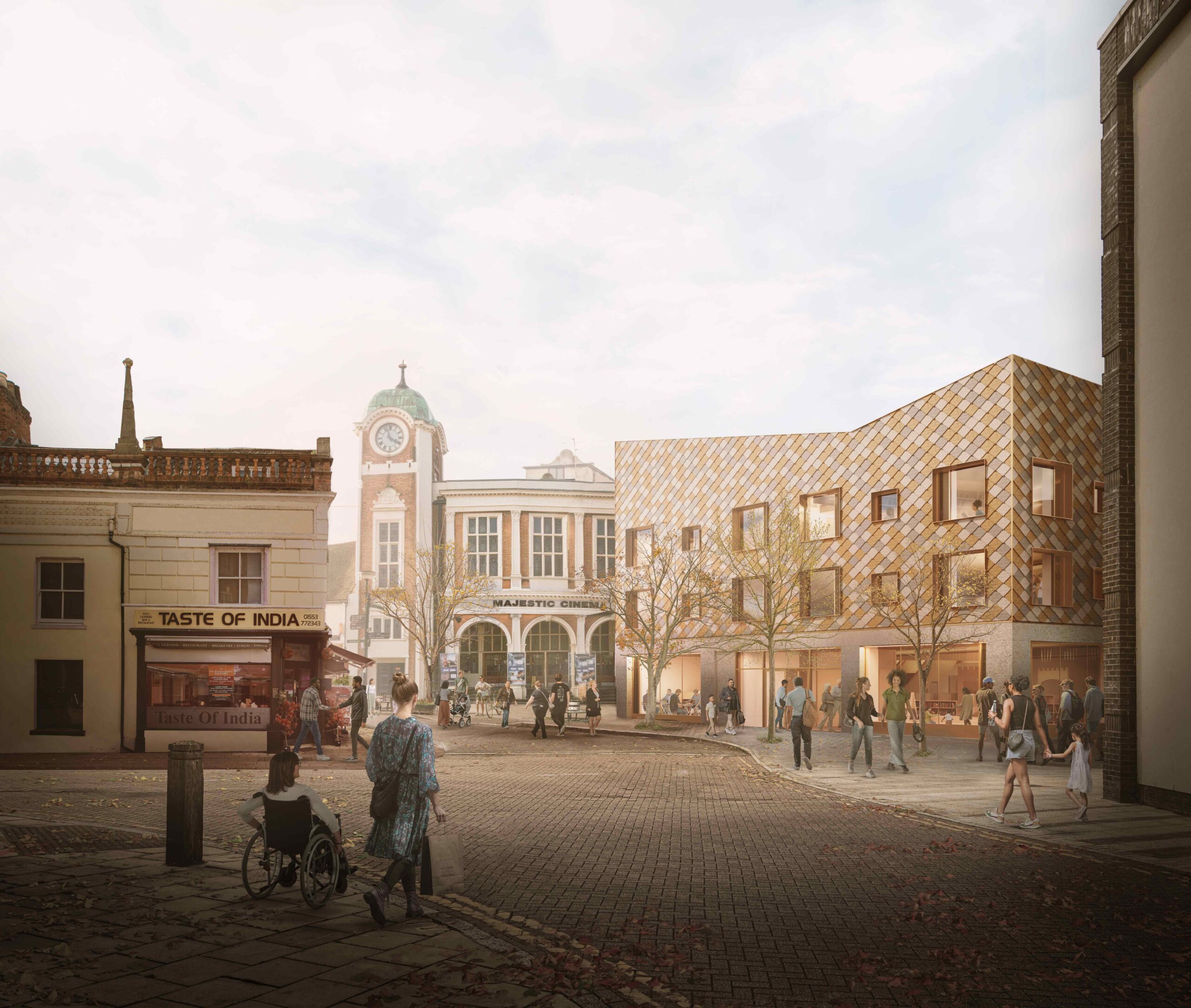
Revitalising King’s Lynn: A New Library and Civic Landmark for the Town Centre
July 30, 2025Hudson Architects is leading the transformation of a redundant commercial building in the heart of King’s Lynn into a landmark new library, creating a welcoming destination for learning, support and library services, and enhancing the streetscape with a bold civic presence. Once
Continue reading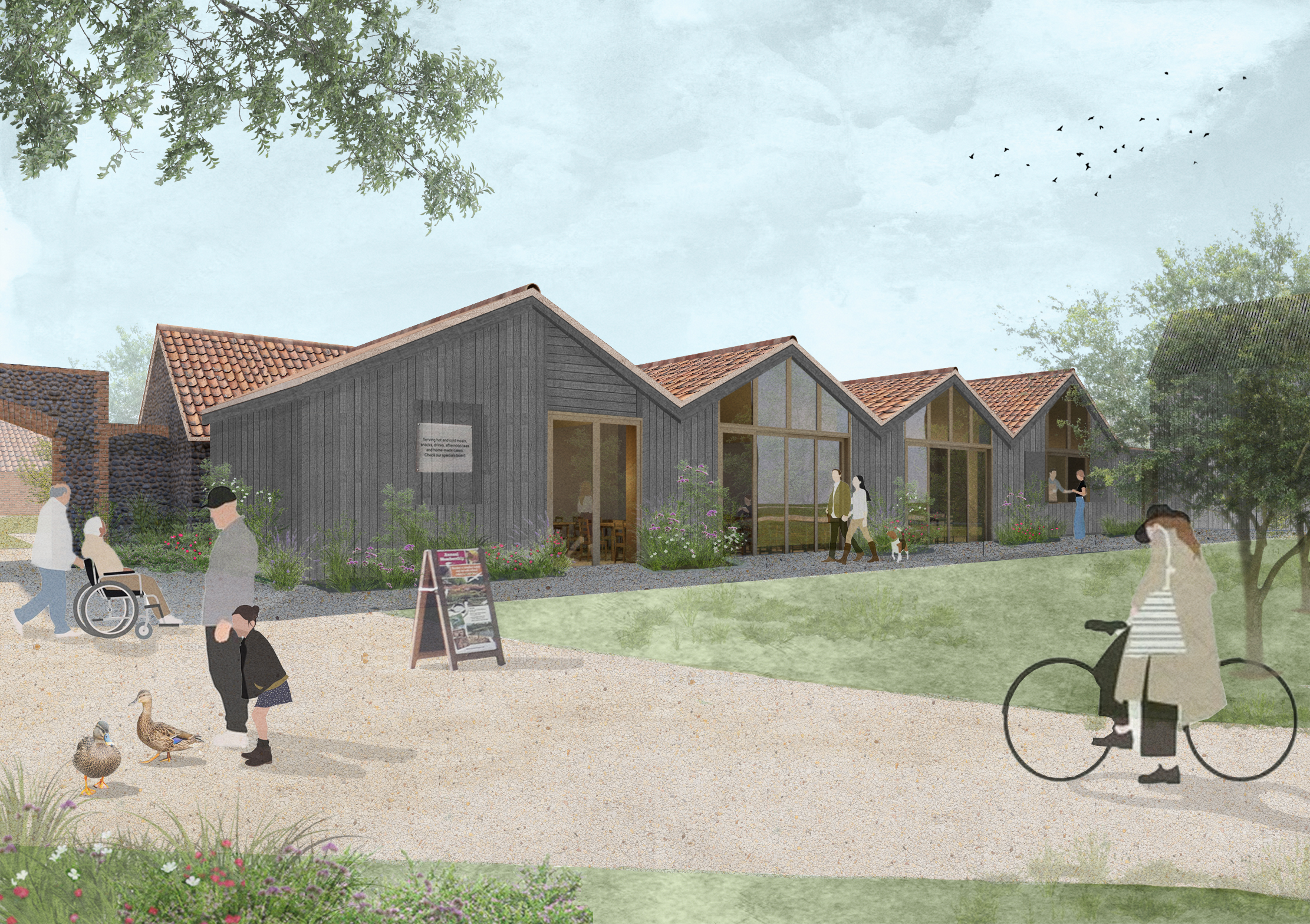
Planning approval for the transformation of Pensthorpe’s Courtyard Café
January 10, 2025Planning approval has been granted for the transformation of Pensthorpe’s Courtyard Café! The new extension and refurbishment of Pensthorpe’s Café will create a spacious and welcoming entrance and café counter. Increased glazing will flood the seating areas with natural light, while ne
Continue reading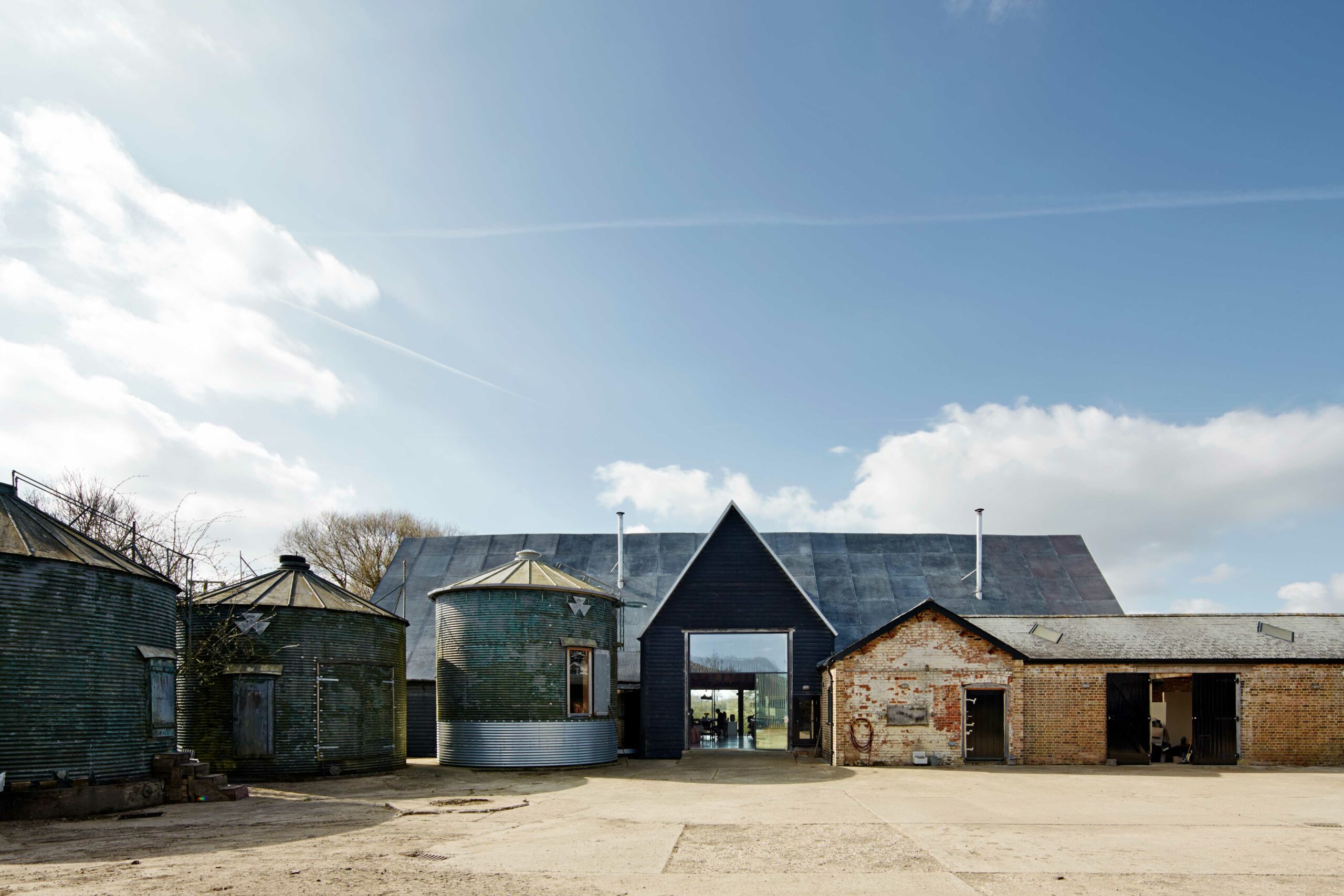
Achieving Planning Permission for your Barn Conversion
March 11, 2025Barns and other farm buildings are all too often under-used or redundant; no longer suitable for modern agricultural practices. Frequently, these structures have huge potential to be converted into beautiful homes in stunning rural locations. Planning policy is often supportive of resident
Continue reading