Hailed as the most radical change to planning in over sixty years, the Government’s national planning policy framework published this week has quickly both drawn fire and approval. The National Trust warns of Los-Angeles style urban sprawl, while developers welcome the new pro-development agenda. The Campaign to Protect Rural England predicts “battles against development across the country that will make the public revolt against the forests look like a tea party”. Is it really so radical and will it be a positive improvement? We need a locally-rooted and pro-active planning system that does not hamper positive development and actively encourages good design. We need more housing to meet demand, provide greater choice and create better community services. Replacing thousands of pages of central government policy with fifty pages is welcome. And the central theme – a presumption in favour of ‘sustainable development’ – sounds good. But what does it mean and who defines it? Most importantly, can it be delivered? Sustainable development is defined as encouraging economic development within the framework of promoting ‘healthy communities’, good design and protecting our existing environment. Local authorities are charged with weighing up these issues and forming coherent detailed policy. It’s a tall order, and planners can no longer rely on central government guidelines – it all has to be done locally. There’s the rub: if authorities don’t produce up-to-date local plans, then any development that falls within the framework’s general guidelines will receive planning permission. Is this another way of the Government getting what they want by default and bashing local authorities, or is this a genuine opportunity to address pressing local problems at a local level with our democratically elected councillors – perhaps even to develop useful and positive neighbourhood plans? In principle this is fine, but local authorities lack the resources and skills to properly undertake the plans. Take quality of design. The minister, Greg Clark, says “Our standards of design can be so much higher. We are a nation renowned worldwide for creative excellence, yet, at home, confidence in development itself has been eroded by the too frequent experience of mediocrity”. That’s great, but who will ensure this? It’s good to encourage local design review panels but they will see few schemes and do little to embed design expertise in local government. A successful outcome of the framework needs need properly resourced local government financed by local taxes (as in Holland) rather than central hand-me-downs. Local authorities would be more independent and better able to determine the shape of our towns and countryside. While I concur with the spirit of the new framework, it can’t really tackle the issues effectively with our current system of governance. Anthony Hudson
DESIGN MATTERS: Will The New Planning Changes Make a Difference?
Author / Hudson Architects
Similar Journals
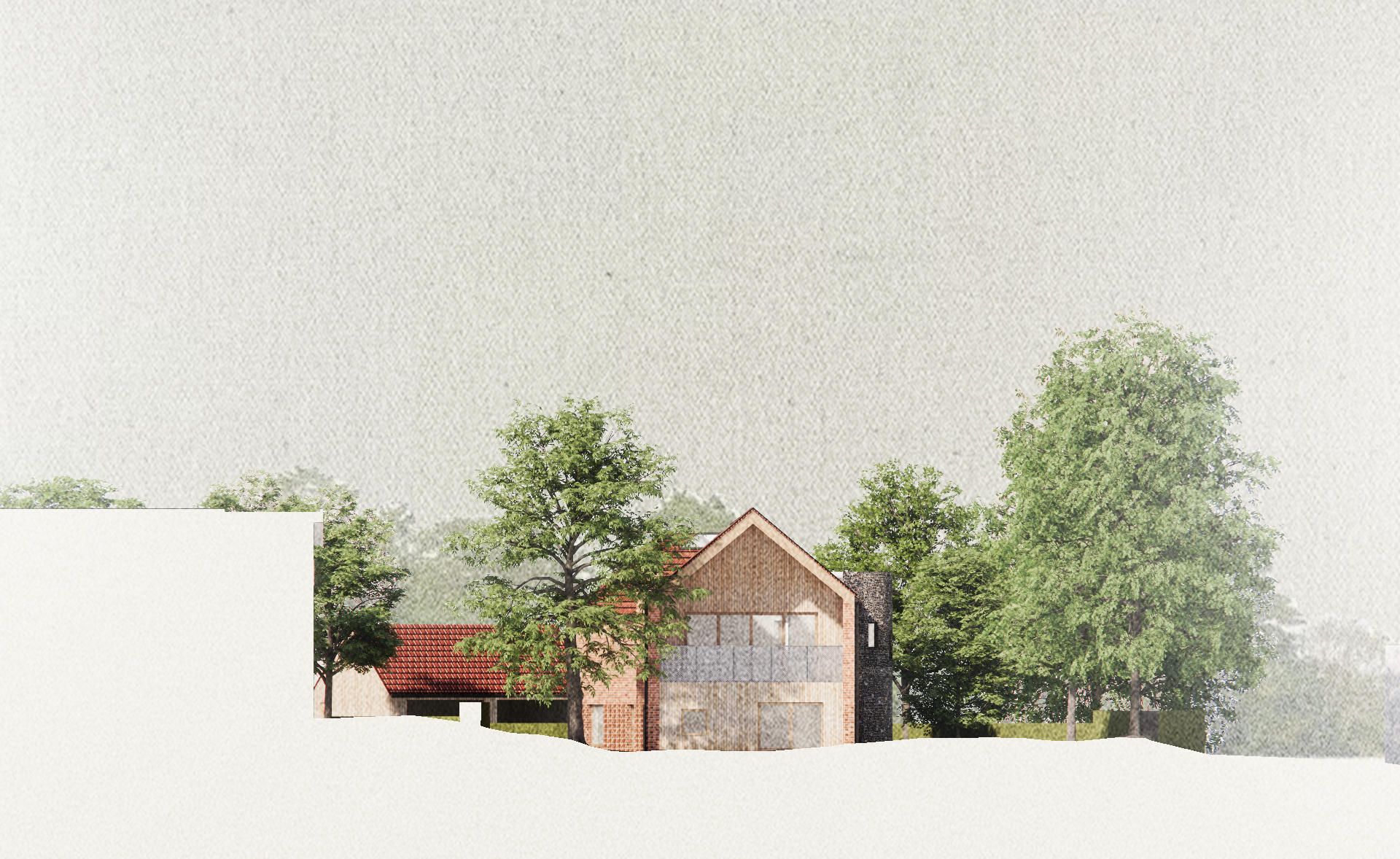
Planning Approval for North Norfolk Home
January 12, 2026We’re thrilled to have received planning approval for a bespoke, low energy home to replace a derelict building on an overgrown site in North Norfolk. Carefully sited to the east of the plot the house maximises the long views and natural light. The living spaces are located on the first floo
Continue reading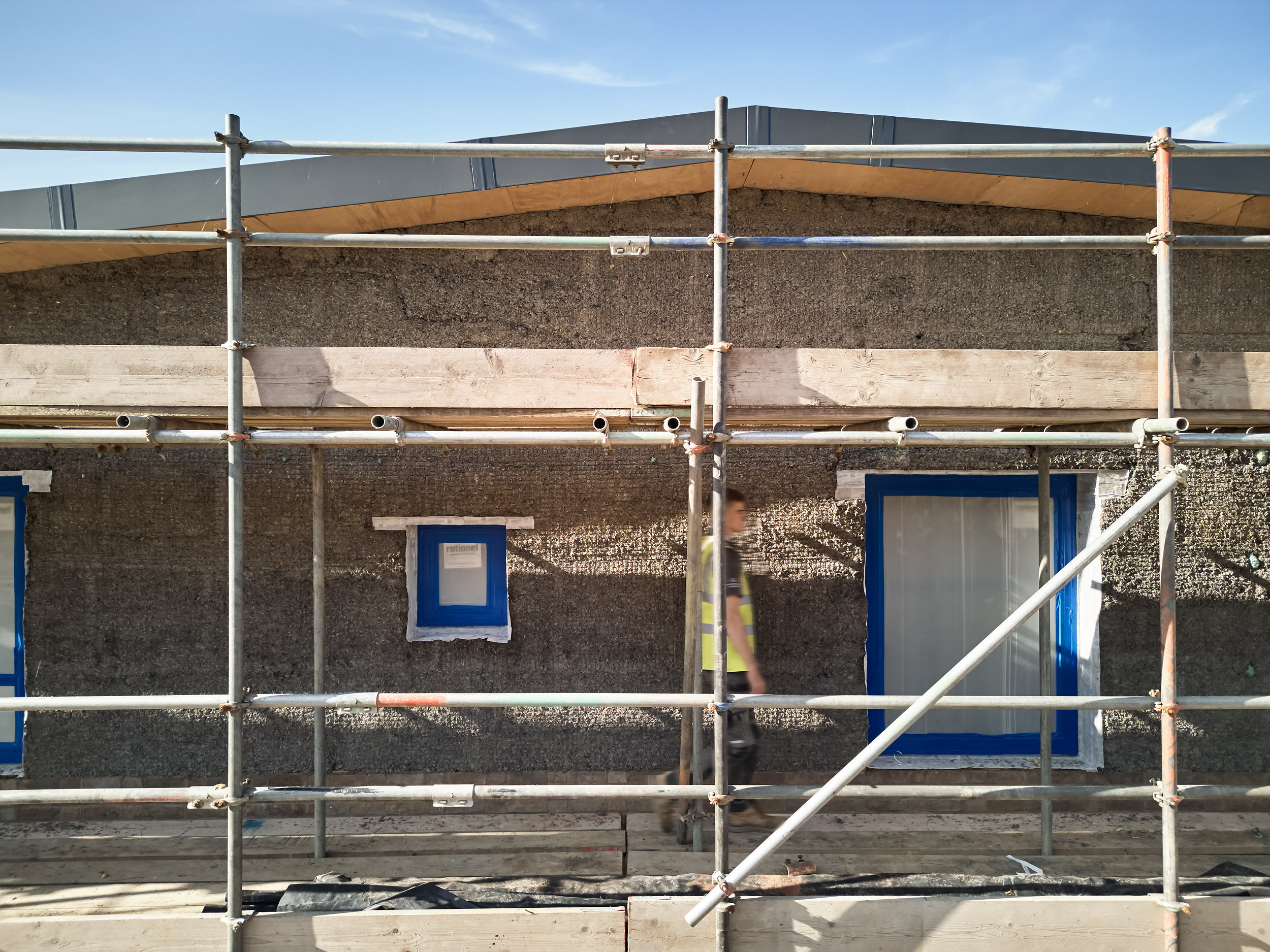
Carbon Reduction Plan
July 2, 2026We have published our first Carbon Reduction Plan, establishing a baseline for our operational carbon emissions and setting out our commitment to achieving net zero greenhouse gas emissions by 2050. As architects, we recognise that our greatest opportunity to reduce carbon lies not only in how w
Continue reading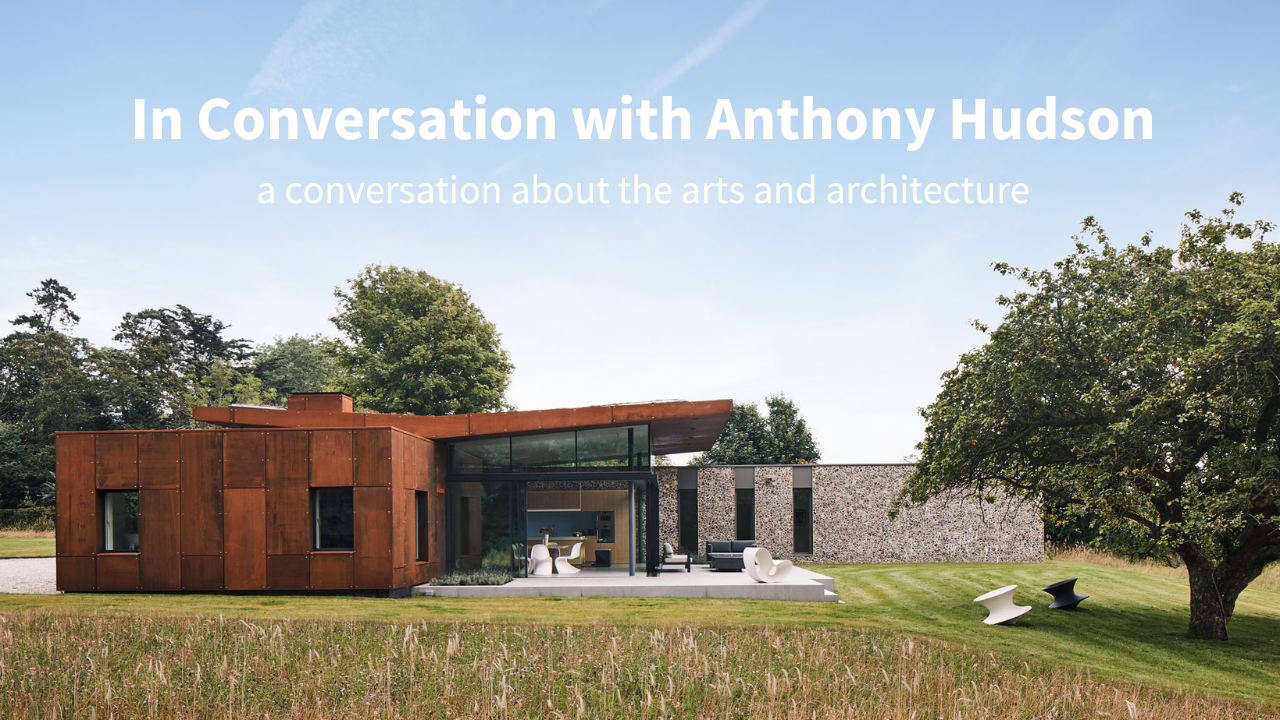
In Conversation with Anthony Hudson
April 25, 2024In April our Founder and Creative Director Anthony Hudson gave a talk about his background, influences on his work, and how and why he became an architect including the challenges and rewards of being one, at The Venue in Holt, Norfolk. Click the link to listen below.
Continue reading