This year Norwich became one of the latest participants in the City Deals programme resting back some tax-raising and spending powers for local democracy from one of the most centralised governments in Europe. Effectively 100% of our taxes are controlled by central government (5% being a capped council tax) and in the redistribution 30% is spent by local authorities compared with 50% in the USA and 70% in Canada and Denmark. It is another welcome reversal of a 100 year old process of central government’s emasculation of local authority power that destroyed an entrepreneurial culture fundamental to the growth of the great cites and towns of the 19th century. As Michael Heseltine’s report, No Stone Unturned in Pursuit of Growth, states, “the local economic leadership that drove the UK to the forefront of the world economy has disappeared”. With little financial power local authorities have become administrators and service providers distributing crumbs from central government. It allows little space for entrepreneurial or business flair because there is insufficient incentive to employ such skills. So it’s not surprising we are rather jaundiced with local democracy, the quibbling over what services to cut or protect and Byzantine planning policies since real power is held centrally; and, as a consequence, England has one of the most unrepresentative European democracies with little of the commitment to local politics as seen in the French commune and mayoral system. This is reflected in the number of electors per elected representative; in France it is 116 to one, in Italy 397 to one and in the UK, a staggering 2,605 to one. No wonder we feel such a distance from our politicians. No Stone Unturned in Pursuit of Growth recognises that we need to return economic power to where it is needed at the local level; but this has to sit with elected local authorities rather than through the numerous centrally controlled bodies such as the defunct Regional Development Agencies or their latest incarnation, Local Enterprise Partnerships. It is only at the local level that the particular needs of the local economy can be understood and that local communities can be re-enfranchised and reconnected to their locally elected politicians. As Tony Travers, the guru of local governance says, “I think that local government would make, on balance, more efficient and effective decisions than the same things done at national level, because national government just can’t understand everywhere”. Numerous recent studies have suggested that the growth of UK cities is hampered by this lack of power and are underperforming way below the level of similar European cities, the exception that proves the rule being London, the one place that does have good local representation. Until we re-establish strong democratic power bases initiatives like the City Deals, though welcome, are a partial but ineffectual fix. We need something more radical to allow local economies to blossom and in doing so we will create places worthy of our forebears. Anthony Hudson
DESIGN MATTERS: City Deals:Will they Empower Our Towns and Cities?
Author / Hudson Architects
Similar Journals

Duke Street Riverside: learning lessons from an award-winning education building
October 12, 2023Jack Spencer Ashworth takes a detailed look back at our award-winning higher education building, Duke Street Riverside, in a feature for Higher Education Estates Magazine reflecting on what we might do differently now. It’s now well over a year since our landmark higher education project Duke Str
Continue reading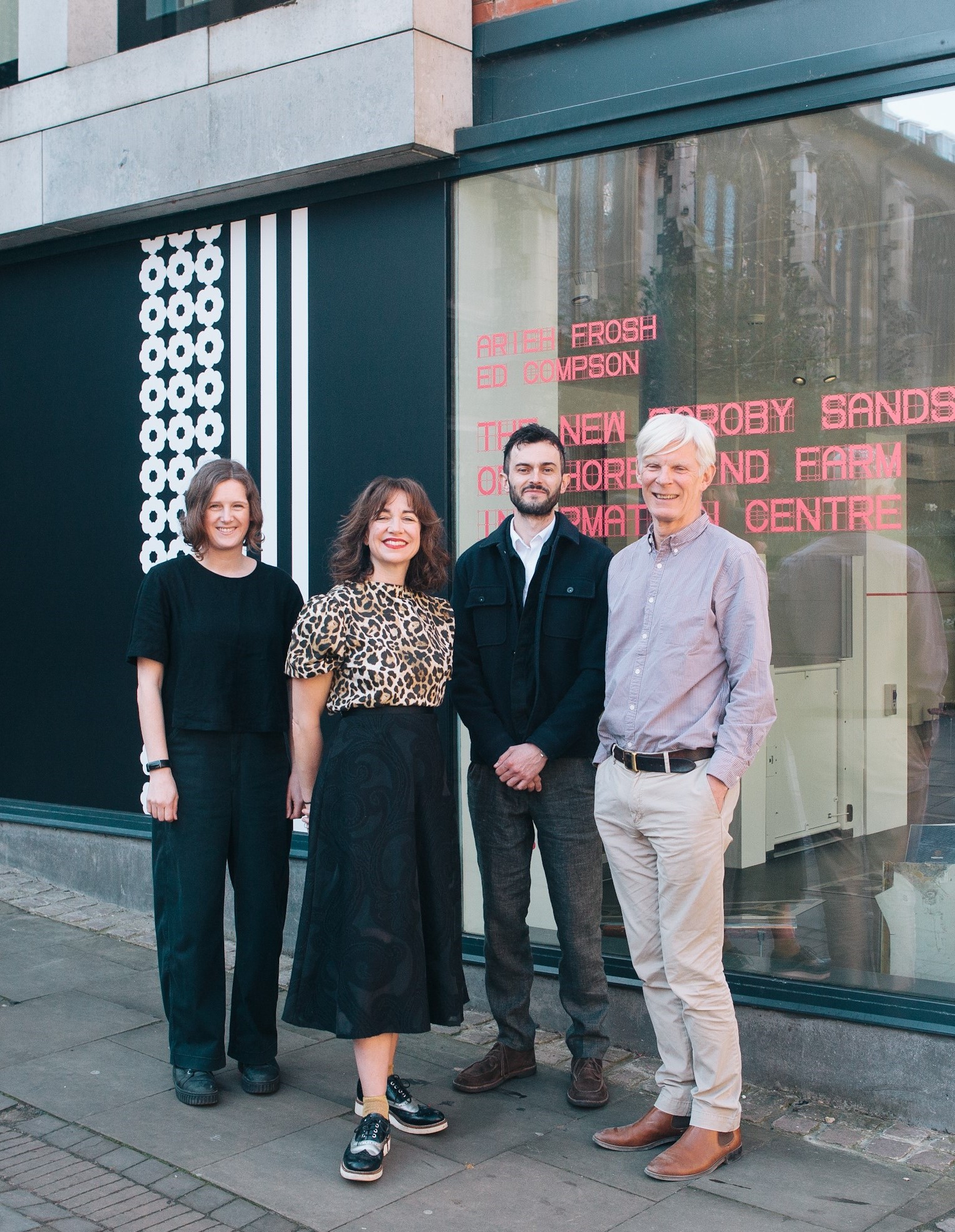
Leadership Transition at Hudson Architects
April 3, 2025We are pleased to share news of an exciting new chapter for Hudson Architects. A leadership transition is underway as Founding Director Anthony Hudson begins the process of handing over the management and ownership of the practice to a generation of new directors. Sarah Tunnicliffe, who has been w
Continue reading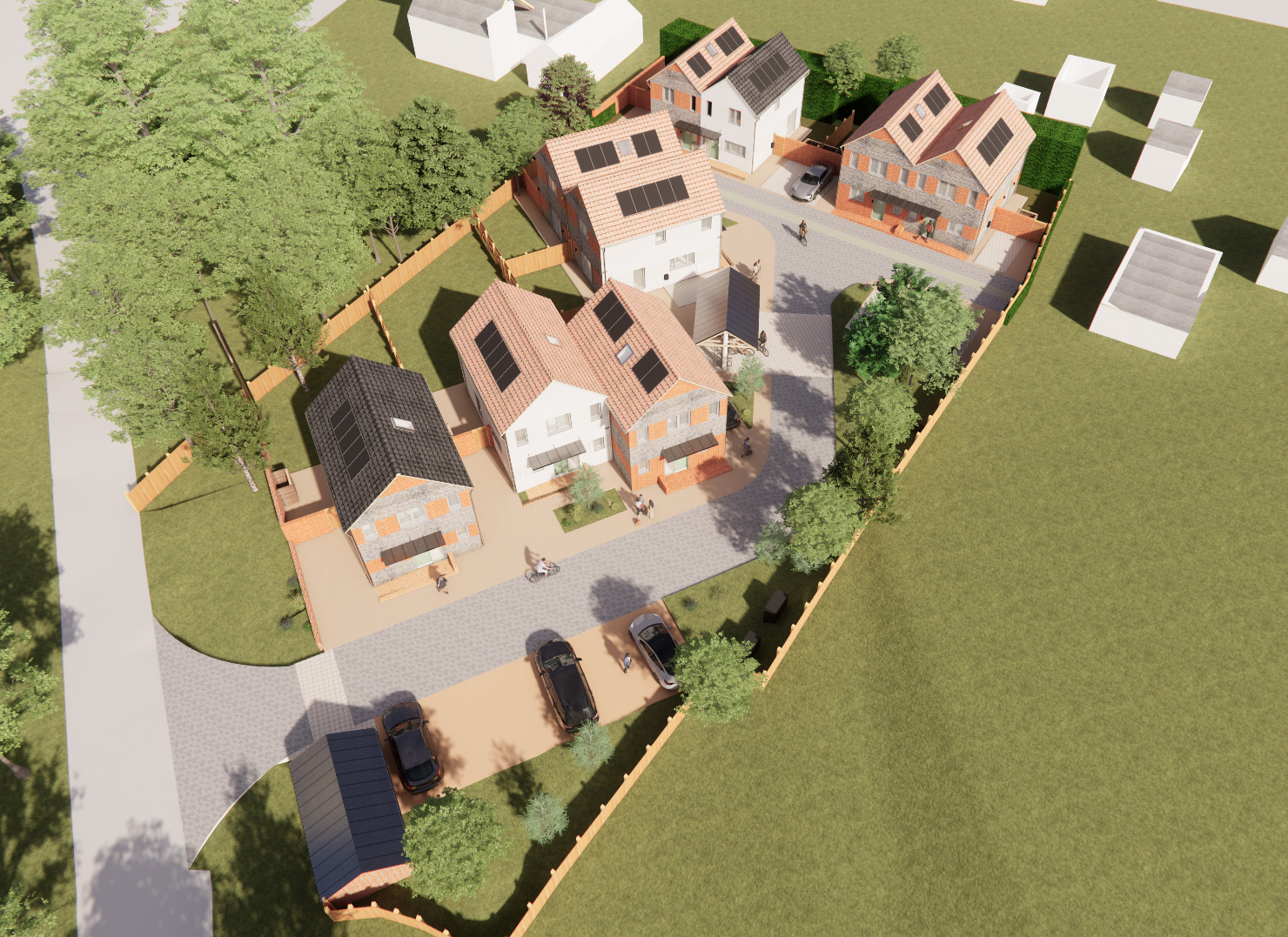
How We Approach Designing and Planning Housing on Tricky Sites
June 12, 2025It is well known that securing planning permission for housing outside of the established settlement boundary can be a tricky process. However, there is joy to be found in developing these smaller fringe sites to deliver much needed, high-quality housing. Hudson Architects have recently submitted t
Continue reading